
Watching a parent age can be one of the hardest experiences for any family. Many adult children in Kuala Lumpur and Selangor find themselves asking the same question: “Is it time to get help?” Here are five common signs that it may be time to consider professional home care.
Difficulty with Daily Tasks

As we age, simple daily routines that were once effortless can become physically and mentally exhausting. If bathing, dressing, cooking, or moving around the house has become harder, this is often the clearest sign that extra support is needed at home. You might notice your parent skipping showers, wearing the same clothes for days, avoiding the kitchen altogether, or struggling to get up from a chair or bed safely.
Missed Medications

Forgetting to take medicine, taking the wrong dosage, or skipping doses altogether can lead to serious health risks. A trained caregiver can help manage medication schedules safely.
Noticeable Weight Loss or Poor Nutrition
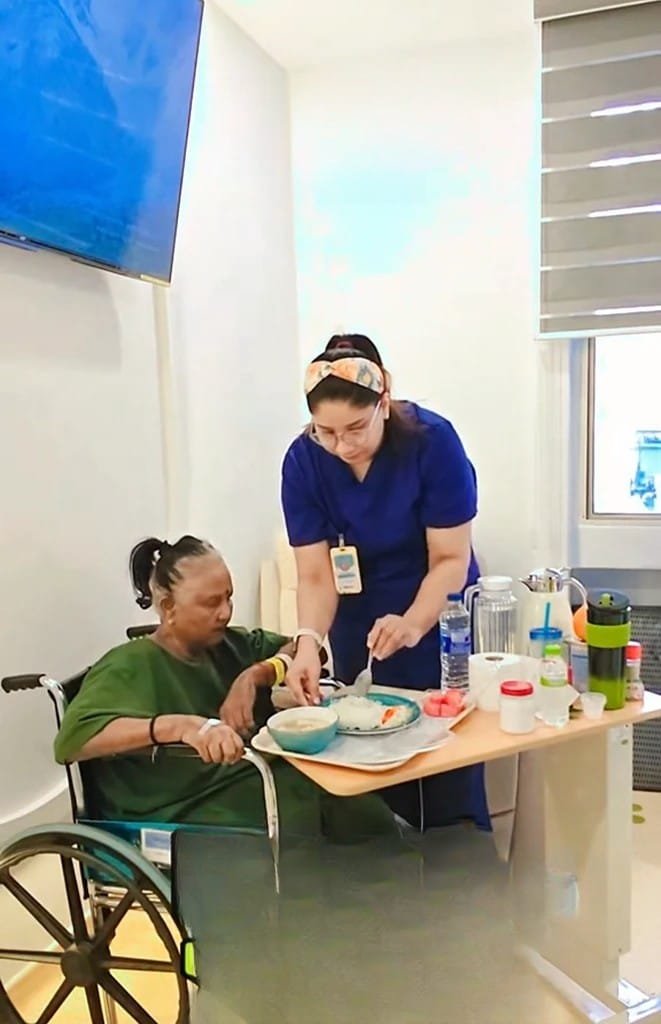
Good nutrition becomes harder to maintain as mobility, energy, and appetite naturally decline with age. Skipping meals, forgetting to eat, or losing interest in cooking are signs that daily nutrition needs support. You might notice an empty fridge, expired food left untouched, sudden weight loss, or your parent seeming weaker and more fatigued than usual. Poor nutrition can quietly worsen other health conditions and increase the risk of falls, illness, and slower recovery.
Frequent Falls or Mobility Issues

Balance and strength naturally decline with age, making falls one of the most serious risks for elderly parents living alone. Bruises, unsteady walking, or a recent fall are red flags that safety at home needs to be reassessed. You might notice your parent holding onto furniture while walking, avoiding stairs, hesitating to leave their chair, or having unexplained bruises they can’t quite explain. Even a single fall can lead to fractures, hospitalization, or a serious loss of confidence and independence. A caregiver can provide steady physical support, help remove hazards around the home, and ensure your loved one moves safely from room to room — reducing the risk of injury while preserving their sense of freedom.
Increased Isolation or Mood Changes

Withdrawing from family, friends, or hobbies can be a sign of loneliness, depression, or early cognitive decline — and companionship from a caregiver can make a real difference.